Wildlife Removal In Multi-Unit Housing
Animal Control Challenges In Apartment Buildings
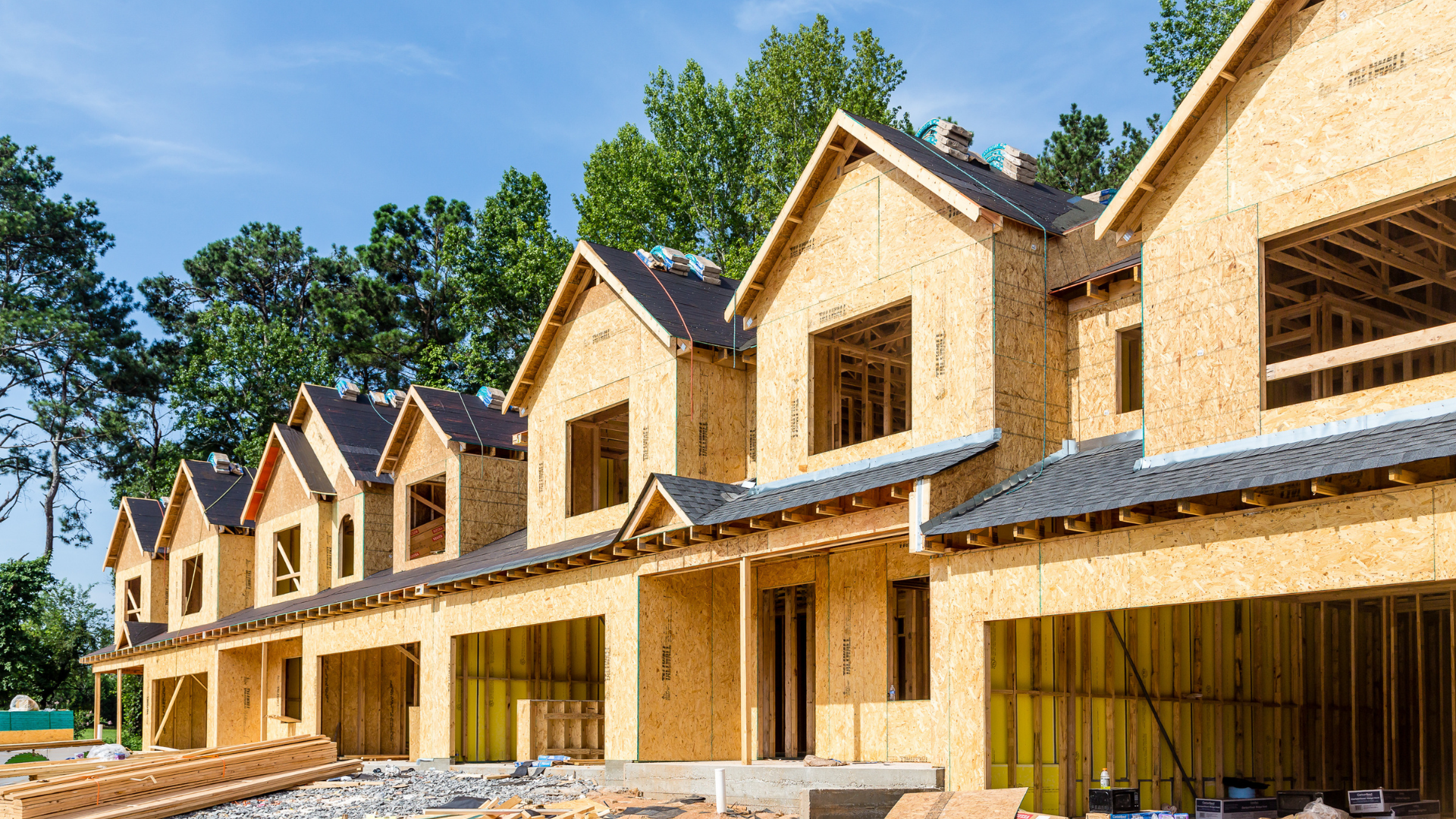
Multi-unit housing brings people close together by design. Shared walls, ceilings, hallways, utility runs, and outdoor features create efficiency and convenience for residents. Those same connections also create opportunities for animals to move unnoticed from one space to another. When a single unit experiences unwanted animal activity, it rarely stays contained. The layout of apartment buildings, condominiums, duplexes, and townhome complexes encourages movement through voids and shared systems. What begins as a small issue in one location can quietly expand into a building-wide concern that affects many households at once. Understanding why this happens is essential for property managers, landlords, and residents who want to address problems early and limit disruption.
Shared Structural Pathways And Hidden Movement
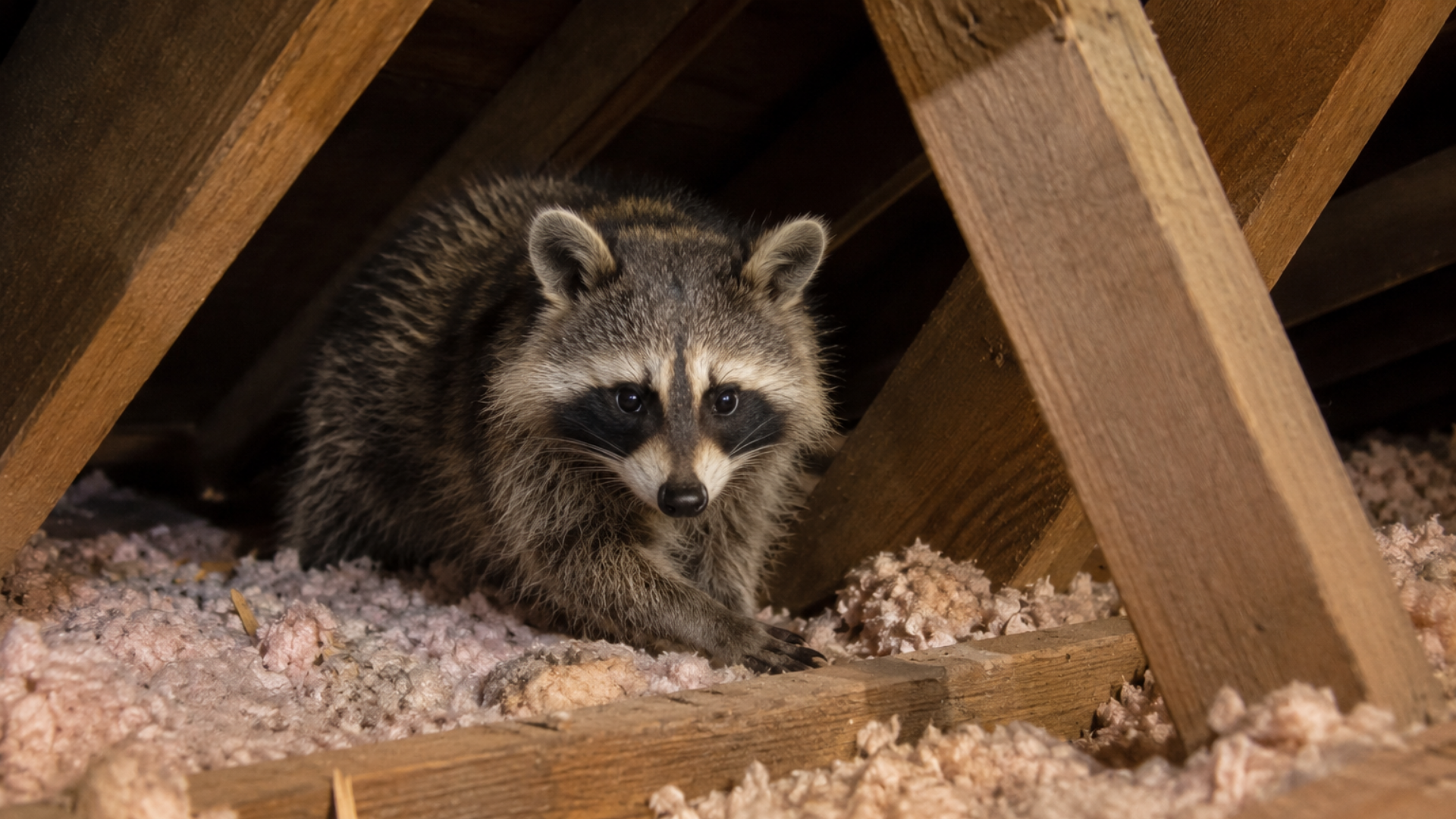
Most multi-unit buildings are filled with concealed pathways that are never seen by occupants. Wall cavities, attic spaces, crawl areas, and suspended ceilings often span multiple units without clear separation. Pipes, wiring, and ventilation lines pass through these areas, creating natural travel routes for animals seeking warmth, food, or nesting material. Once inside, they can move laterally or vertically with little resistance.
This hidden mobility explains why activity noticed in one apartment can reappear several floors away. Scratching sounds, odors, or droppings may seem isolated, yet the source may be traveling through shared voids at night. Because these pathways remain out of sight, signs often go unnoticed until activity increases. In buildings with older construction or repeated renovations, gaps and inconsistencies become even more common, further encouraging movement. Without addressing the full extent of these access routes, removal efforts that focus on a single unit often fall short.
In many properties, renovations intended to modernize units can unintentionally create new openings. Cutouts for upgraded fixtures or cable installations may not be sealed consistently across units. These small gaps invite exploration and allow animals to bypass barriers that once limited movement. Overlapping ownership or maintenance responsibilities can slow coordinated repairs, leaving these pathways active longer than expected.
Shared Utilities And The Spread Of Damage
Utility systems are another major factor in how animal issues spread in connected housing. Heating and cooling ducts, plumbing chases, and electrical corridors link units together in ways that favor exploration. Animals follow air currents, warmth, and moisture, all of which are present around these systems. As they explore, chewing and nesting behaviors can affect insulation, wiring coatings, and duct linings.
The impact is rarely limited to one residence. A compromised duct can affect air quality across multiple units. Damaged wiring in a shared chase can create service interruptions that affect several households. Moisture from disturbed plumbing insulation can contribute to staining and material deterioration in adjacent spaces. These cascading effects make multi-unit situations more complex than single-family homes. The interconnected nature of building systems means that one unresolved entry point can lead to repeated problems throughout the structure.
Maintenance schedules also influence spread. When service access panels are shared, delays in one area can affect others. Temporary openings left during repairs may remain exposed longer than planned. Animals quickly notice these changes and adjust their routes, increasing the chance of encounters in units that previously showed no signs of activity.
Communication gaps between residents can delay reporting. One household may notice faint sounds but assume they are isolated. Another may see minor damage and dismiss it. Without shared awareness, early indicators remain fragmented, allowing activity to progress further through connected spaces.
Common Areas As Activity Hubs
Shared spaces such as laundry rooms, storage areas, parking structures, trash enclosures, and exterior courtyards often serve as central hubs for animal activity. These locations provide consistent food sources, shelter, and low human presence during certain hours. From there, animals can access nearby units through doors, vents, or structural gaps.
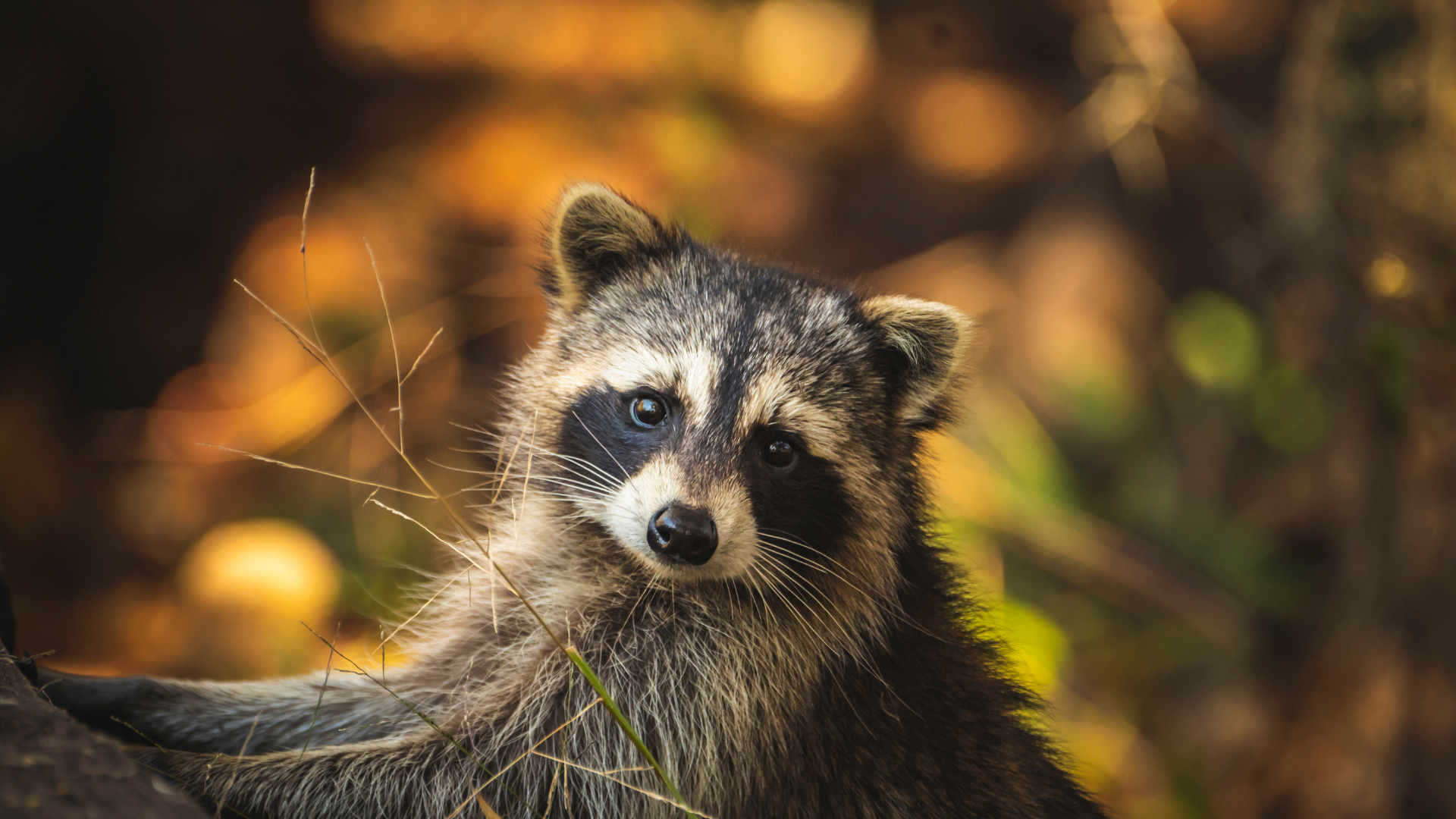
Trash areas are especially influential. Even well-managed waste zones can attract scavengers, and once activity begins, animals tend to map the surrounding environment quickly. Storage rooms filled with boxes and seasonal items offer quiet nesting opportunities. Parking garages and basements provide cover and warmth, particularly during cooler months. Because these spaces are communal, responsibility for monitoring them may feel unclear, allowing activity to build before action is taken. Addressing these areas is a critical part of limiting spread throughout a property.
Exterior design can amplify this effect. Balconies, stairwells, and breezeways connect living spaces vertically and horizontally. Landscaping placed close to structures offers cover that leads directly into common areas. Once activity takes hold near these features, movement between shared and private spaces becomes easier to sustain.
Behavioral Patterns That Encourage Expansion
Animal behavior plays a significant role in how quickly issues multiply in shared housing. Many species are opportunistic and curious. When one individual finds access to food or shelter, others often follow scent trails or established routes. Reproduction cycles can also contribute to rapid increases in activity within a confined structure.
Noise sensitivity adds another layer. Animals may avoid heavily used spaces during the day and shift movement into walls and ceilings where human presence is minimal. This behavior makes detection harder and allows activity to continue longer without interruption. Seasonal changes can further influence movement, pushing animals deeper into buildings during temperature shifts or weather events. In a multi-unit environment, these patterns increase the likelihood that activity spreads beyond the original entry point.
Human responses can unintentionally support expansion. Attempts to block noises or odors inside individual units may push animals deeper into shared spaces. Without coordination, these reactions shift activity rather than resolving it, making building-wide assessment even more important.
When dealing with animal activity in connected housing, addressing the entire structure rather than a single unit makes a measurable difference. Thorough inspection, coordinated access, and an understanding of shared systems help prevent repeat issues and wider disruption. Our team approaches these situations with careful planning and building-wide awareness, helping property managers and residents regain control of their spaces. If your apartment complex, condominium building, or rental property is experiencing ongoing animal concerns, don’t hesitate to
contact us
at PeeDee Wildlife Control today to discuss professional solutions designed for multi-unit environments.