Urban Growth And Shifting Wildlife Patterns
How Construction Changes Animal Travel And Nesting Routes
Land development reshapes more than skylines and property lines. When forests are cleared, roads are widened, or buildings expand outward, the surrounding wildlife faces sudden pressure to adjust. Creatures that once relied on familiar cover, feeding zones, and sheltered den sites find those spaces altered or removed. As a result, movement patterns shift, and new shelter choices emerge, often much closer to homes and businesses. Understanding why these changes happen helps explain the growing presence of wildlife in developed areas and why professional intervention becomes necessary.
Land Clearing And The Disruption Of Established Movement Paths
Before construction begins, many species depend on predictable travel corridors. These routes connect food sources, water access, and resting areas while offering concealment from predators and human activity. Dense vegetation, tree lines, and natural ground cover guide daily movement in ways that minimize exposure and energy use. When land clearing removes these features, animals lose the guidance systems they’ve relied on for generations.
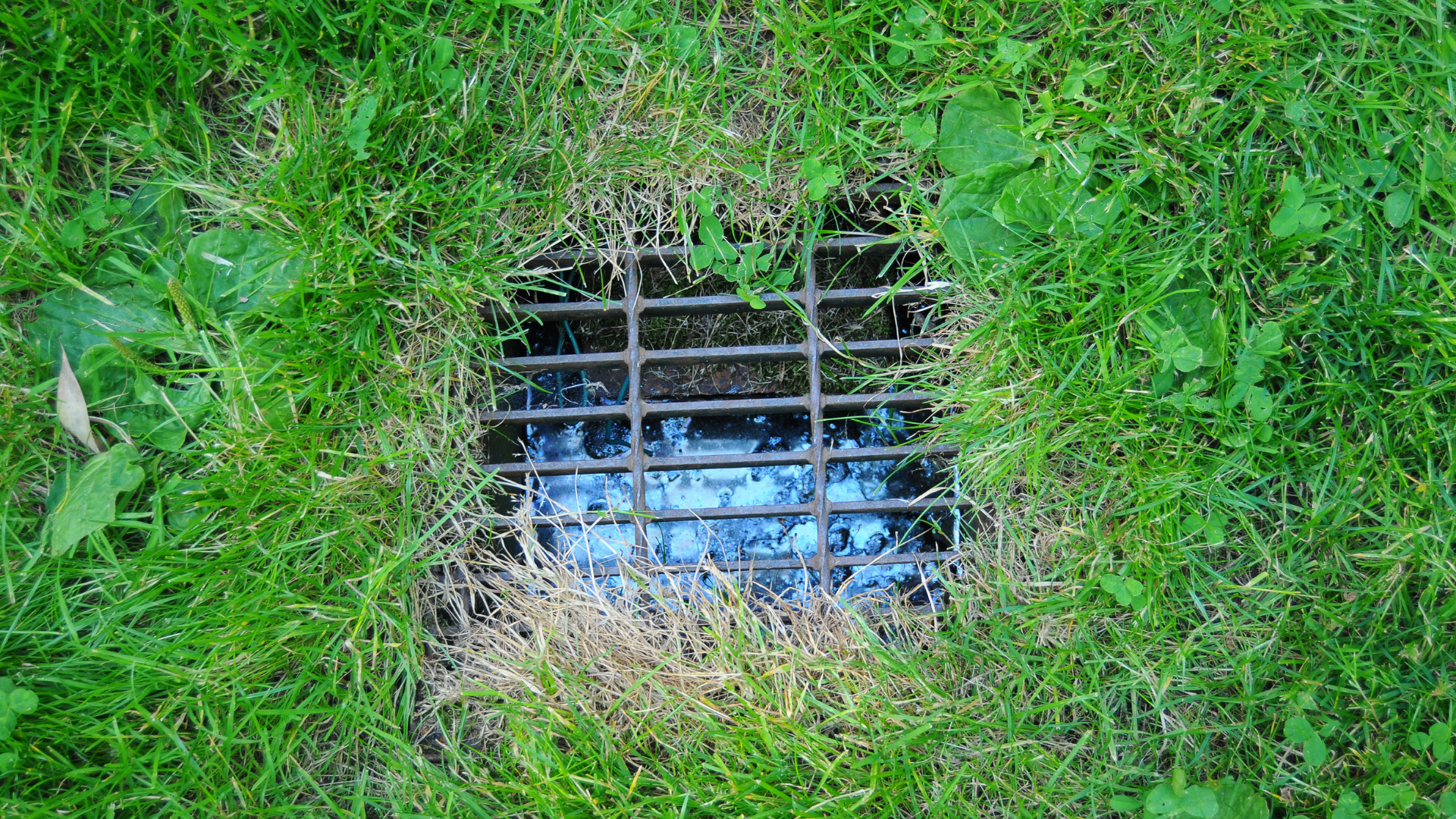
Once trees and undergrowth disappear, crossing open ground becomes riskier and more taxing. To compensate, wildlife often seeks alternative paths that still provide cover. Drainage ditches, fence lines, road edges, and utility easements start functioning as substitute corridors. These manmade features unintentionally mimic the shelter once provided by natural vegetation. Unfortunately, many of these routes lead straight toward residential neighborhoods, commercial buildings, and industrial sites.
Noise and vibration from construction equipment add another layer of disruption. Even after the initial clearing ends, lingering disturbances can discourage wildlife from returning to former paths. Animals begin testing new routes that feel less chaotic, even if those routes intersect with human activity. Heavy machinery often compacts the soil, destroying the burrows of ground-dwelling species and forcing them to the surface. As their subterranean networks collapse, these displaced animals migrate toward the softer, manicured soil of suburban lawns and garden beds. This explains why sightings increase along driveways, rooftops, and parking areas after development projects nearby. The shift isn’t driven by curiosity but by necessity.
Structural Expansion And The Search For New Shelter
As land use intensifies, structures replace hollow trees, rocky outcrops, and brush piles that once served as shelter. Many species need enclosed spaces to raise young, rest during daylight hours, or escape harsh weather. When those natural shelters vanish, animals begin evaluating substitutes that offer similar protection. Buildings provide warmth, elevation, and reduced exposure, making them attractive alternatives.
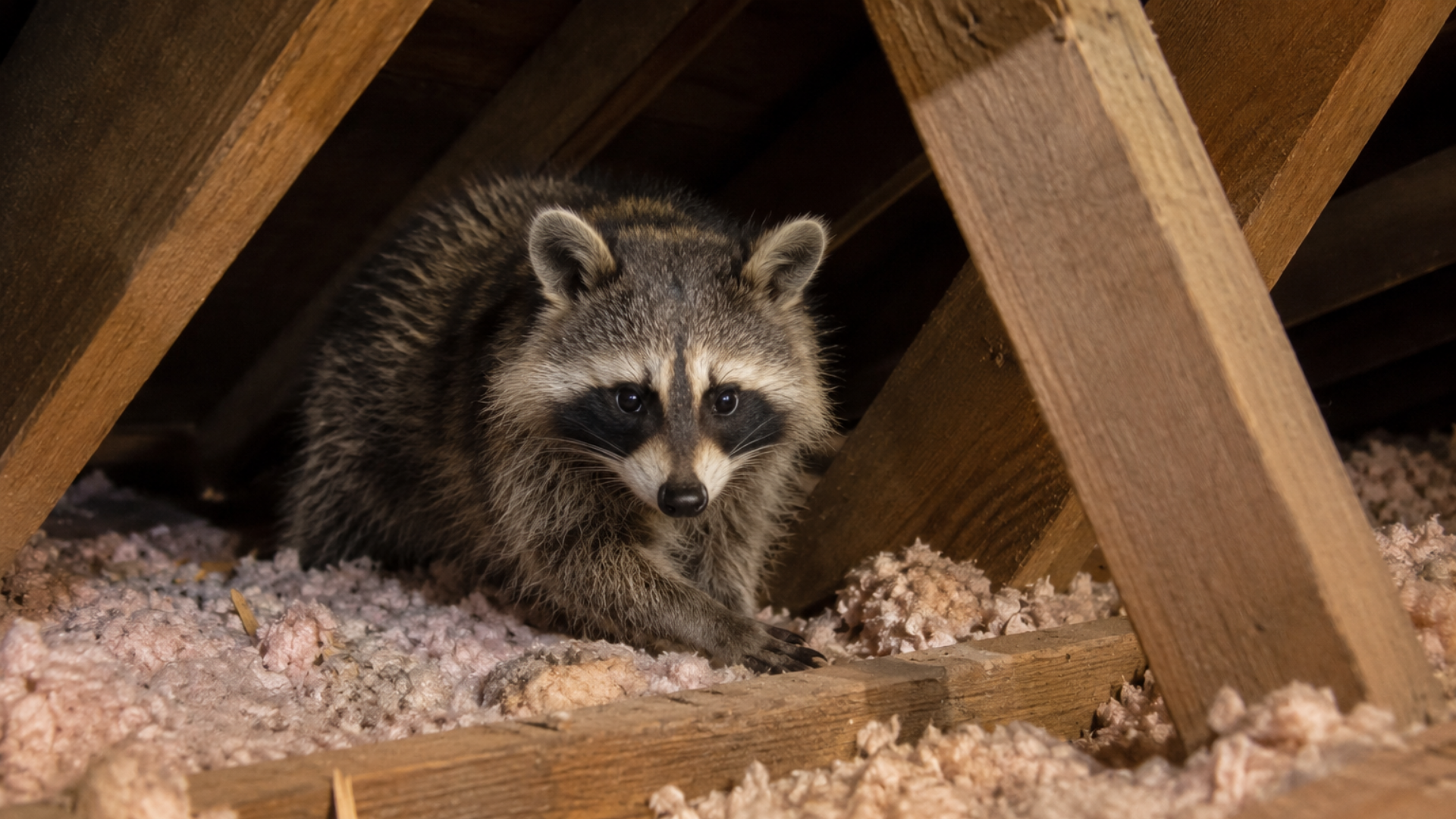
Attics, crawl spaces, wall voids, chimneys, and sheds often resemble the enclosed environments wildlife prefers. The materials used in modern construction also retain heat, which can be especially appealing during colder months or breeding seasons. Fiberglass insulation provides an ideal nesting medium, while sturdy wooden rafters offer the structural support formerly found in mature hardwood branches. Once an animal identifies a structure that meets its needs, repeated use can follow, increasing the likelihood of damage and contamination.
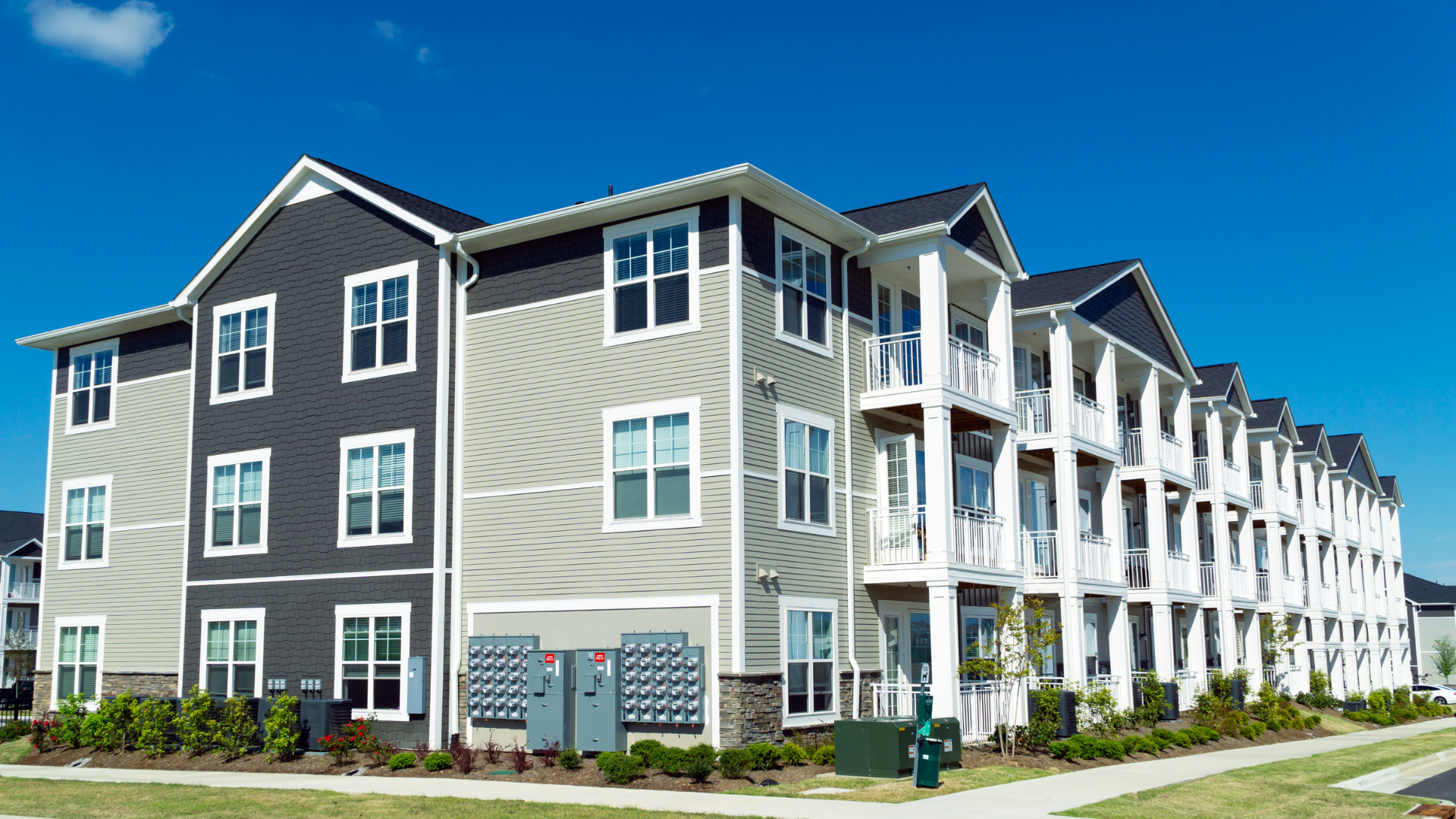
Structural expansion doesn’t need to be massive to trigger this behavior. Even small additions or renovations can block previous den sites or feeding areas. When a new deck or porch is installed, it creates a low-profile cavity that mimics the dark, protected underside of a fallen log. Wildlife adapts quickly by exploring adjacent properties, sometimes crossing multiple boundaries in search of suitable shelter. This adaptation process explains why new construction in one area can lead to unexpected wildlife activity several streets away.
How Development Alters Feeding Behavior And Territory Boundaries
Construction affects food availability just as much as shelter. Clearing vegetation removes native plants, insects, and small prey species that form the base of many diets. In response, wildlife widens its search radius and becomes more opportunistic. Trash receptacles, pet food, bird feeders, and landscaped plants begin filling nutritional gaps left by habitat loss. This transition to anthropogenic food sources often leads to increased caloric intake, which can paradoxically support higher population densities within smaller geographic footprints.
As feeding behavior changes, traditional territory boundaries become less defined. Animals that once maintained clear spacing now overlap more frequently near developed zones where resources concentrate. This compression increases encounters between wildlife and people, as well as competition among animals themselves. The result can include more aggressive behavior, repeated property visits, and greater structural damage.
Artificial lighting also plays a role. Nighttime illumination around buildings extends feeding hours for certain species, altering natural activity cycles. Insects gather near lights, which attracts insect-eating wildlife, followed by larger predators. These cascading effects demonstrate how even indirect elements of development influence animal behavior in ways that ripple outward. Streetlights and security lamps can disrupt the circadian rhythms of nocturnal species, forcing them to remain active during dawn or dusk when they are more likely to encounter residents or vehicles.
Why Adaptation Leads Wildlife Closer To People
Adaptation is a survival response, not a sign of comfort around humans. When traditional habitats shrink, animals prioritize access to food, shelter, and relative quiet wherever they can find it. Developed areas often provide these elements unintentionally. Stormwater systems offer water, gardens supply vegetation, and structures create protected spaces.
Over repeated seasons, younger animals learn these altered patterns from adults. New generations grow accustomed to navigating developed landscapes as part of their normal range. This doesn’t eliminate instinctual caution, but it does increase the frequency of close encounters. Without proper management, these situations escalate, leading to health risks, property damage, and ongoing conflicts.
Understanding this process highlights why prevention and professional management matter. Addressing wildlife activity early reduces the chance of long-term habitation and repeated intrusion. It also limits the spread of odors, structural wear, and secondary pest issues that often follow unchecked activity.
Construction reshapes the environment in ways that force wildlife to rethink how and where they move, feed, and take shelter. Land clearing removes established travel routes, structural expansion replaces natural den sites, and altered food availability pushes animals toward developed spaces. These shifts explain why wildlife activity often increases near homes and businesses following development projects. When these situations arise, experienced help makes a meaningful difference. Our experts provide professional guidance and services that are designed to address any wildlife activity causing issues on your property responsibly and effectively.
Contact us
today at Pee Dee Wildlife Control to discuss concerns, assess your current situation, and schedule service so that we can help you take the next steps toward protecting your property.