Wildlife Risks In Residential Versus Commercial Properties
How Animal Intrusions Differ In Homes And Businesses
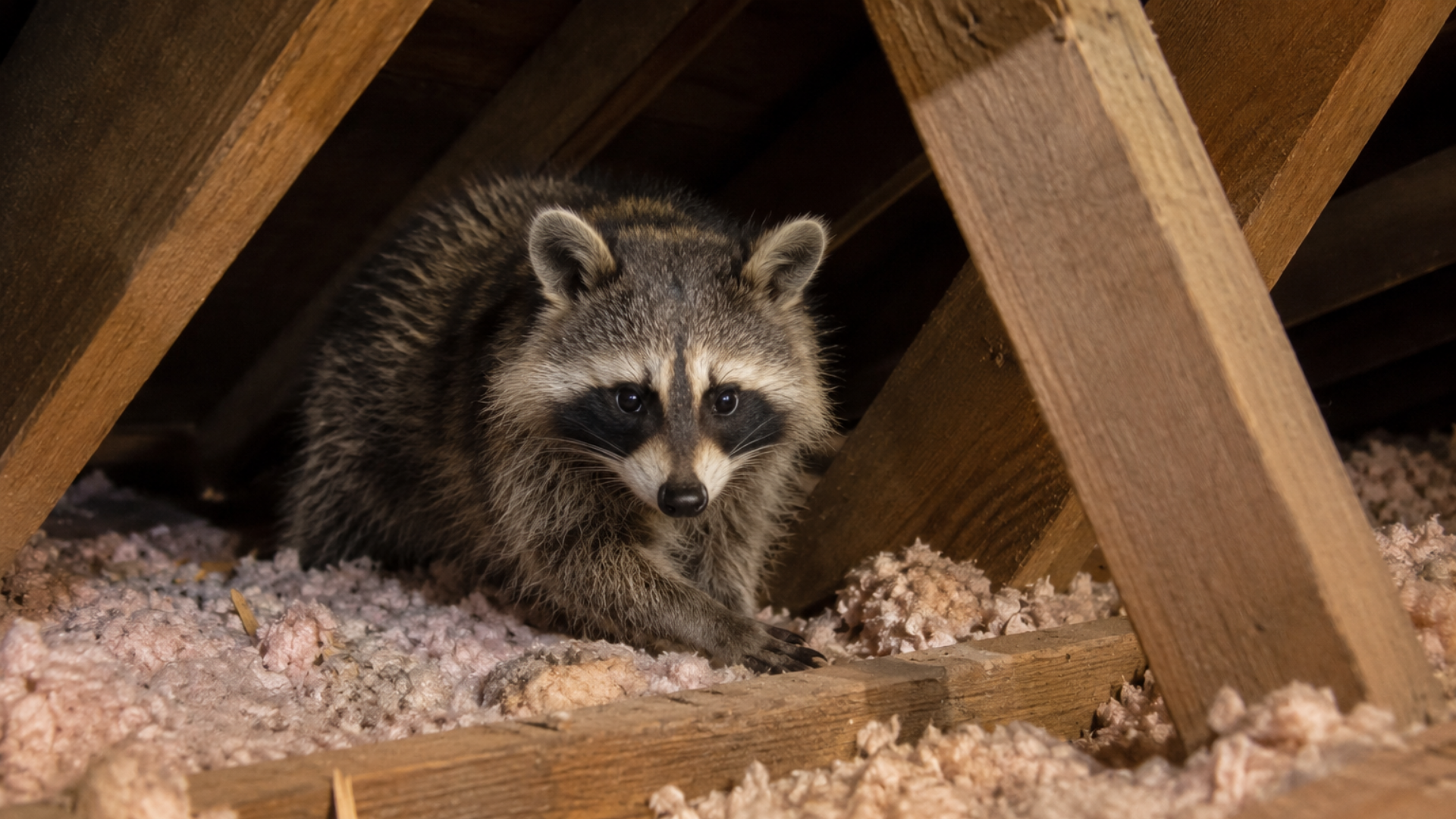
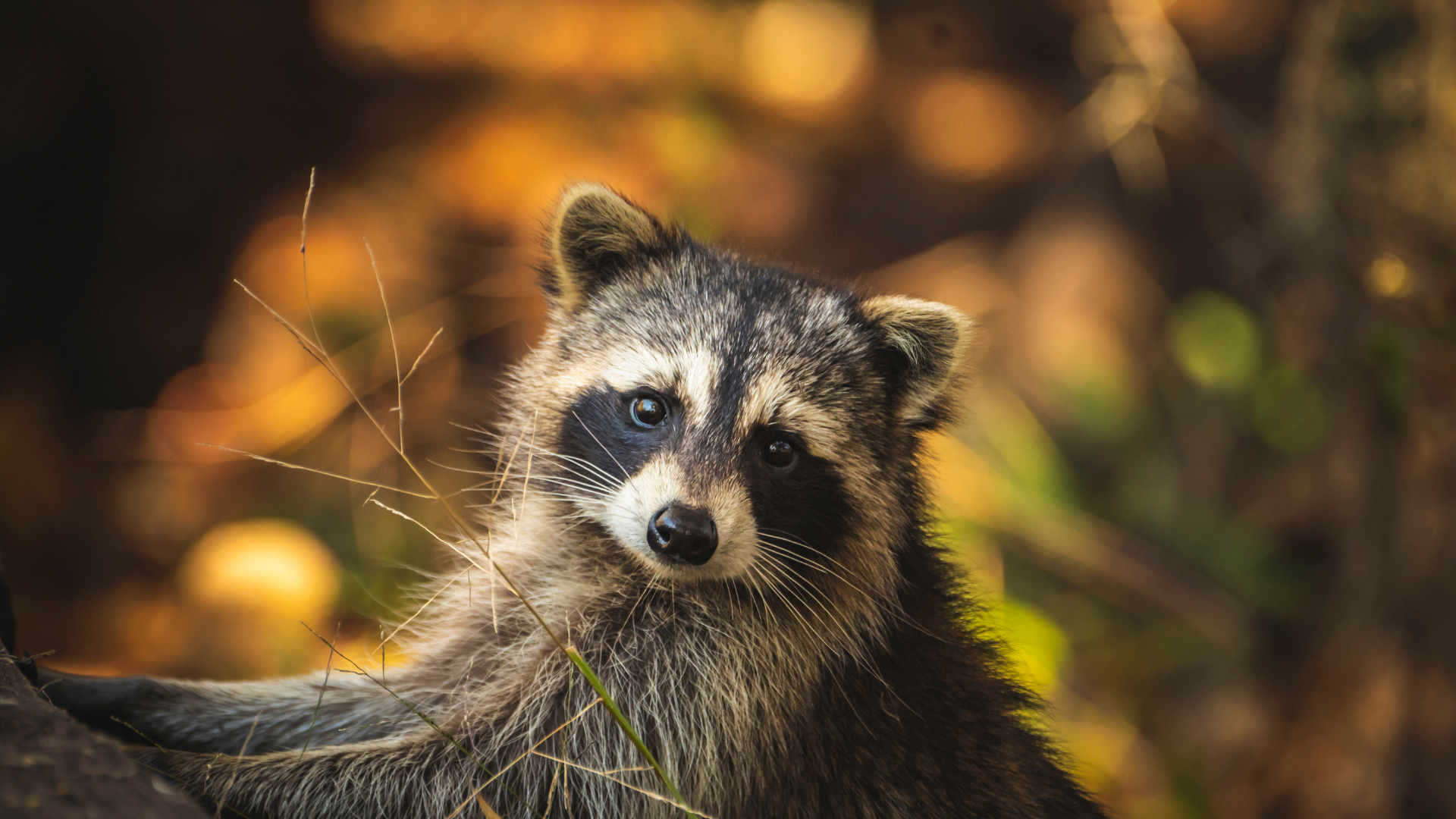
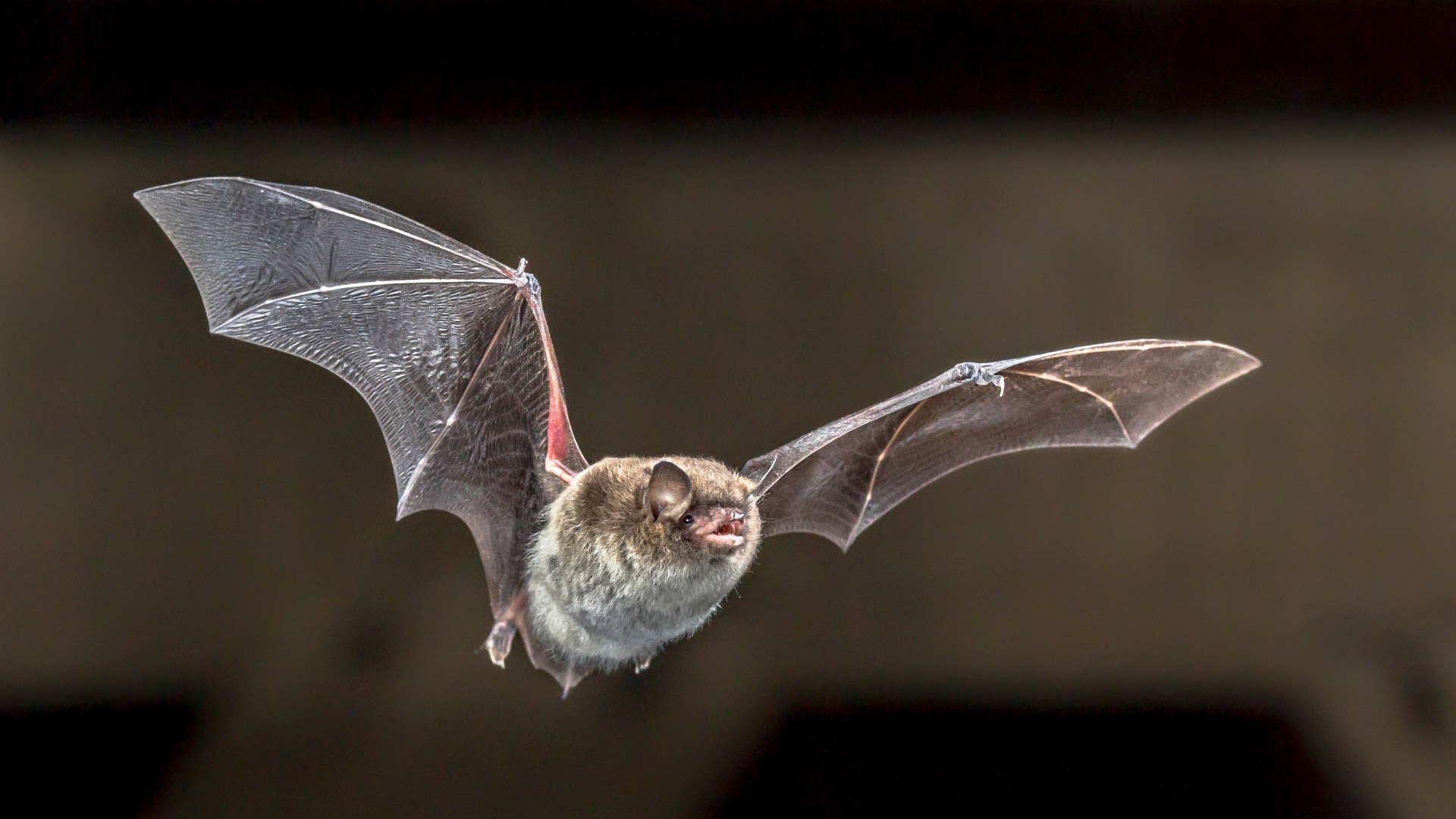
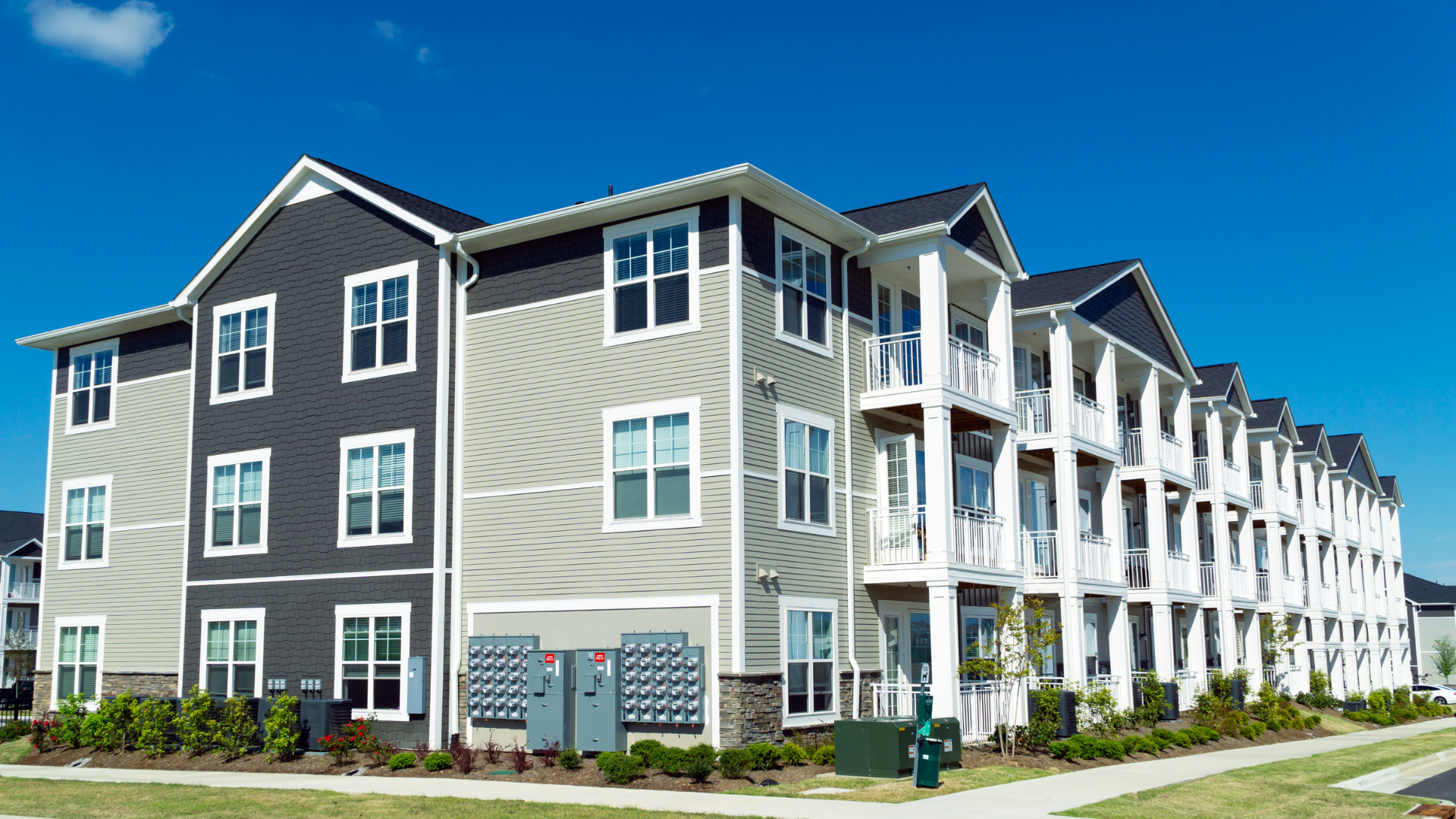
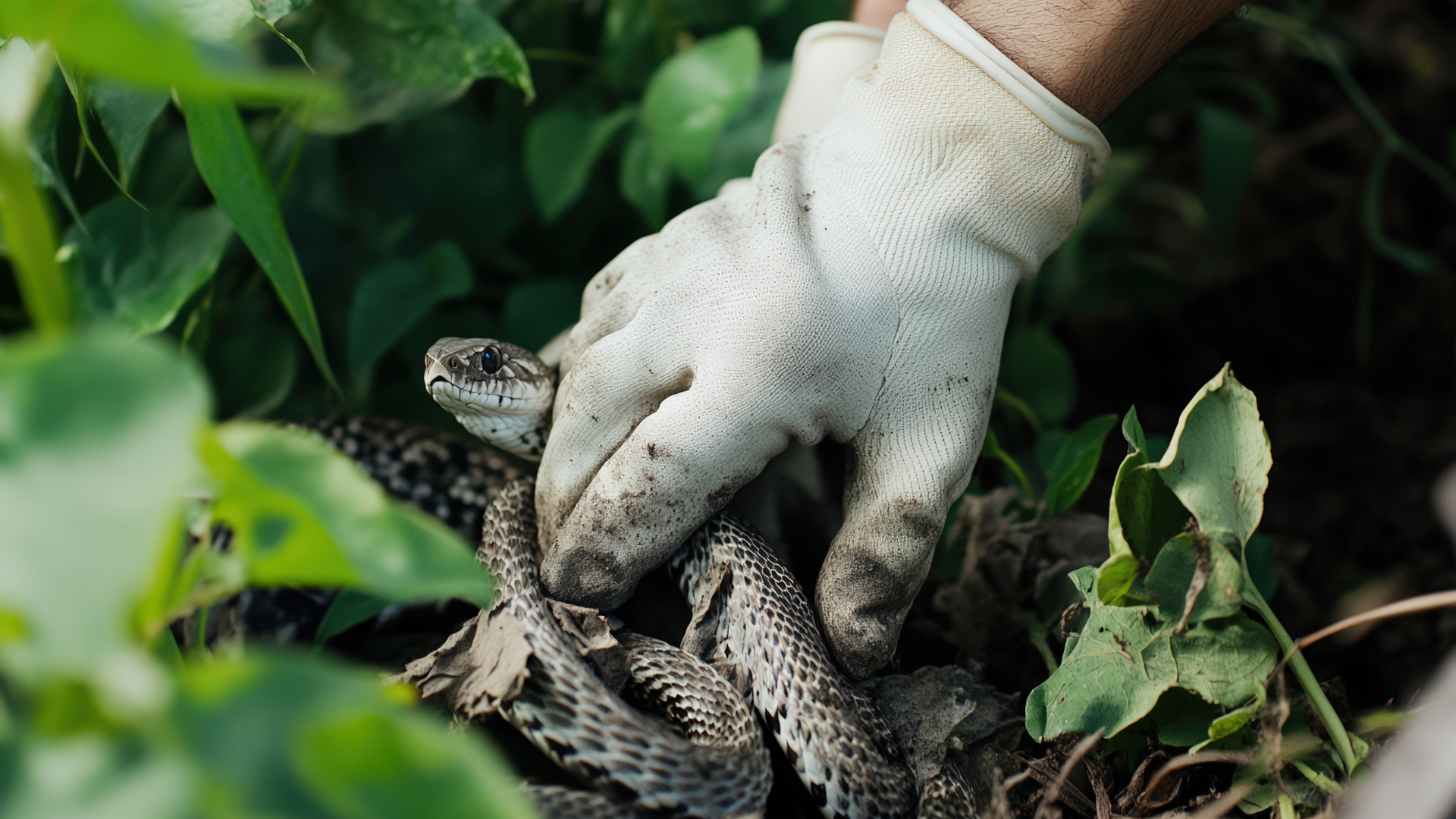
Wildlife encounters on or near residential and commercial properties tend to look similar at a glance, but the realities behind them are often very different. A raccoon that’s broken into a warehouse ceiling or birds nesting near a storefront sign may trigger a quick reaction, while the same animals near a home often feel more personal and unsettling. The way a structure is used, how people move through it, and what systems support daily activity all shape the types of animal activity that appear and the consequences that follow. Understanding these differences matters because wildlife issues rarely exist in isolation. They intersect with health concerns, legal responsibility, and the long-term condition of a property.
How Building Purpose Shapes Wildlife Exposure
Residential properties are designed around comfort, privacy, and daily routines. Our services pay attention to the entirety of the property, including attics, crawl spaces, porches, garages, and landscaped yards that unintentionally attract animals seeking warmth or food. Wildlife drawn into these areas often goes unnoticed at first, especially when activity occurs at night or in rarely accessed spaces. The risk grows quietly as animals settle in, chew materials, or leave behind waste. Homeowners often discover the problem only after hearing noise, noticing odors, or seeing damage.
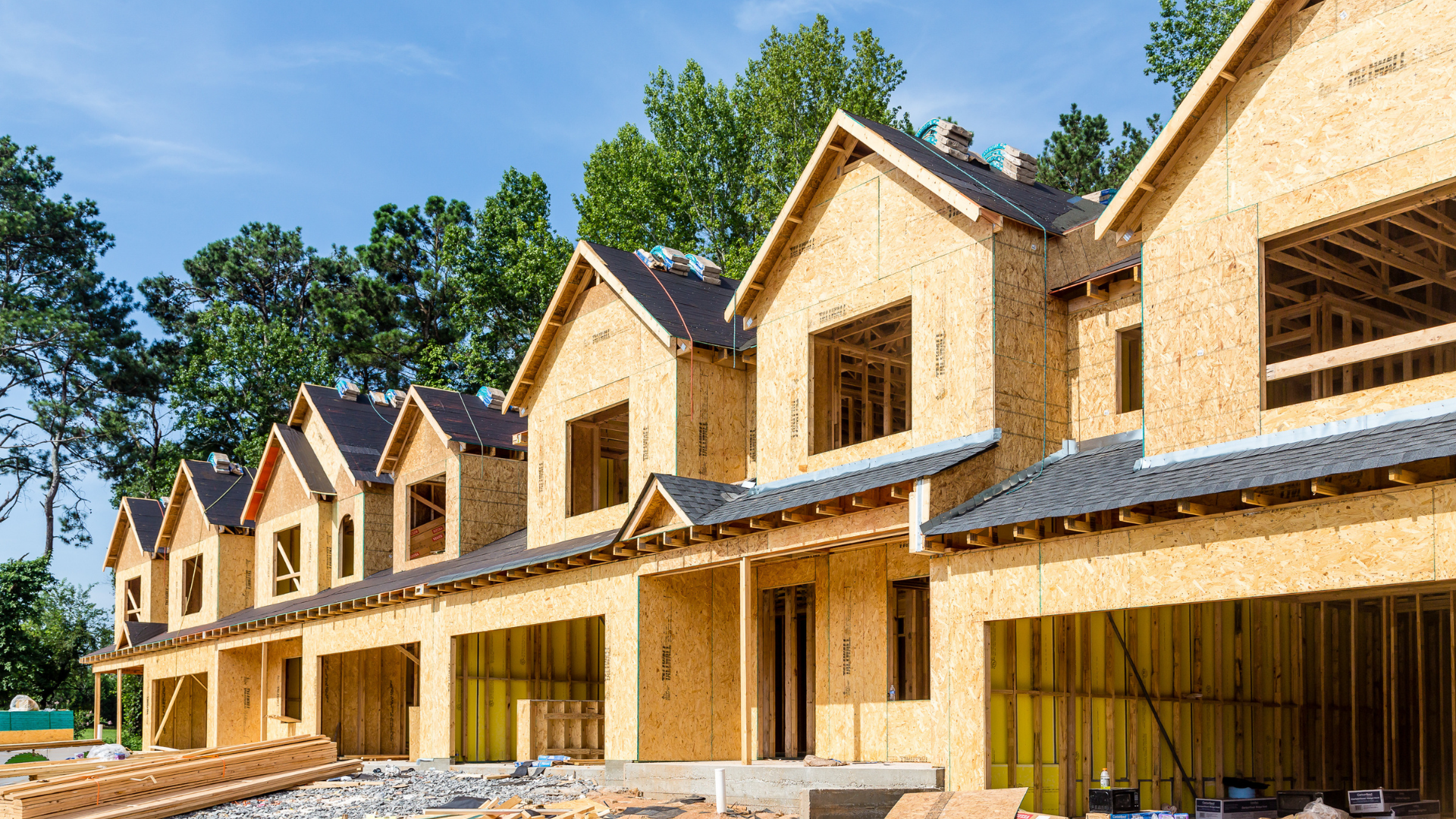
Commercial properties function differently. Office buildings, retail centers, warehouses, and industrial sites prioritize efficiency regarding workflow, accessibility, and capacity. Large entryways, loading docks, rooftop units, and extended operating hours are all features that can unexpectedly increase the number of access points available to animals looking for a way to get inside. These properties also tend to produce steady streams of waste, which are full of food scraps and other debris that can attract rodents, birds, and other species. When animals enter commercial spaces, the issue quickly extends beyond property damage. Employee exposure, customer safety, and operational disruption become part of the equation.
The building’s purpose also influences response timelines. Residential concerns may unfold slowly, while commercial environments often require swift action due to regulatory expectations or business continuity pressures. That difference alone creates a distinct risk profile even before species behavior is considered.
Layout And Structural Complexity Create Uneven Vulnerabilities
The layout of a structure determines how easily wildlife can move through it and remain undetected. Homes usually have smaller footprints but more enclosed voids. Attics, wall cavities, and chimneys offer shelter that animals can exploit. Once inside, they may travel unseen, causing insulation damage or compromising wiring. These issues can escalate quietly, especially in older houses with aging materials or previous structural modifications.
Commercial buildings often feature expansive interiors and layered systems. Drop ceilings, ductwork, utility chases, and mechanical rooms create hidden corridors that allow animals to travel far from entry points. Birds may nest near lighting fixtures, while rodents follow utility lines deep into the structure. The scale of these spaces makes detection harder and containment more complex. A single access point can lead to widespread activity across multiple departments or floors.
Exterior layout plays a role as well. Residential yards with gardens, pet food, and water features invite wildlife close to the structure. Commercial properties may include dumpsters, outdoor seating, or landscaped buffers that attract animals while placing them near entrances. Each layout creates a different pattern of movement and concealment, which directly affects the scope of potential damage and the effort required to resolve it.
Liability And Health Concerns Vary By Property Type
Liability is one of the most significant distinctions between residential and commercial wildlife risks. Homeowners face personal financial responsibility when damage occurs, along with potential health concerns for family members. Wildlife droppings, parasites, and nesting materials can affect indoor air quality and trigger respiratory issues. While these outcomes are serious, they usually remain confined to the household unless guests or tenants are involved.
Commercial properties operate under broader obligations. Employers must consider workplace health standards, while property owners may face legal exposure if wildlife activity leads to injury or illness. A bird infestation in a retail space or rodents in a food service area can result in citations, closures, or reputational harm. Even industries without direct customer contact still carry risk if wildlife interferes with equipment or contaminates workspaces.
The presence of wildlife also raises insurance considerations. Claims related to animal damage may be handled differently depending on property classification and policy terms. Commercial claims often involve higher stakes due to the scale of operations and the number of people affected. These factors make prevention and timely intervention especially critical in non-residential environments.
Long-Term Impact On Property Value And Operations
Wildlife activity rarely ends with immediate removal. The aftermath can influence property value, maintenance costs, and operational efficiency for years. In residential settings, unresolved damage may reduce resale appeal or require costly repairs. Buyers and inspectors tend to scrutinize signs of past infestations, especially when structural integrity or sanitation was compromised.
Commercial properties face a different set of long-term challenges. Ongoing wildlife pressure can lead to repeated disruptions, increased maintenance budgets, and strained tenant relationships. Businesses operating within the space may experience downtime, inventory loss, or employee dissatisfaction. These consequences ripple outward, affecting lease agreements and overall asset performance.
Preventive planning differs between the two property types as well. Homes benefit from targeted exclusion and habitat modification, while commercial sites often require coordinated strategies that address multiple buildings or shared spaces. The complexity of these efforts reflects the complexity of the structures themselves and the activities they support.
Wildlife risks change dramatically depending on how a building is used and how people interact with it each day. Residential and commercial properties face distinct challenges shaped by layout, liability, and long-term exposure. Addressing these issues requires more than a surface-level response. It calls for an approach that recognizes how animals behave within different environments and how those behaviors intersect with human activity. For property owners and managers looking for guidance tailored to their specific situation, don't hesitate to
contact us today at Pee Dee Wildlife. We'd be happy to help you take measures to protect your structures, operations, and the people who rely on them from wildlife intrusions and their related risks.