Benefits Of Choosing A Local Wildlife Removal Company
Local Wildlife Removal Companies Are Often More Customer-Focused
When an animal problem shows up on private property, the first conversation often shapes the whole experience. Independent wildlife removal providers tend to keep that conversation closer to the people doing the actual work. Instead of passing through layers of call centers, routing systems, and broad scripts, a customer is more likely to speak with someone who understands nearby communities, common property layouts, and the kinds of calls coming in that week.
That matters because wildlife issues are rarely as simple as “there is an animal in the attic.” Scratching above a bedroom, droppings near a crawl space vent, or torn insulation in a storage area may point to different species, entry routes, and levels of urgency. A local technician usually asks sharper follow-up questions because those questions come from field experience in the same towns and neighborhoods. They may know which developments have recurring squirrel entry points, which rural properties see more raccoon activity, or which older homes often have gaps along rooflines.
Personalized communication also makes the process easier to understand. A large national brand may have polished systems, but those systems can feel rigid when a situation needs explanation. Independent teams often have more room to talk through what they see, why it matters, and what should happen next. That may include explaining the difference between trapping, exclusion, sanitation, repairs, and prevention without making the customer feel rushed.
It’s also helpful when the person inspecting the property is part of the same team that returns for follow-up work. Details don’t get lost as easily. The technician who saw the damaged soffit, noticed the rub marks, or checked the crawl space speaks from firsthand knowledge instead of relying only on notes in a dispatch file.
Regional Knowledge Makes A Real Difference
Wildlife behavior changes by region, season, weather pattern, property type, and available food sources. A national company may have training materials for many species, but local wildlife control calls for more than broad identification. It requires knowing what animals are doing in a specific area right now and how those habits affect nearby homes and businesses.
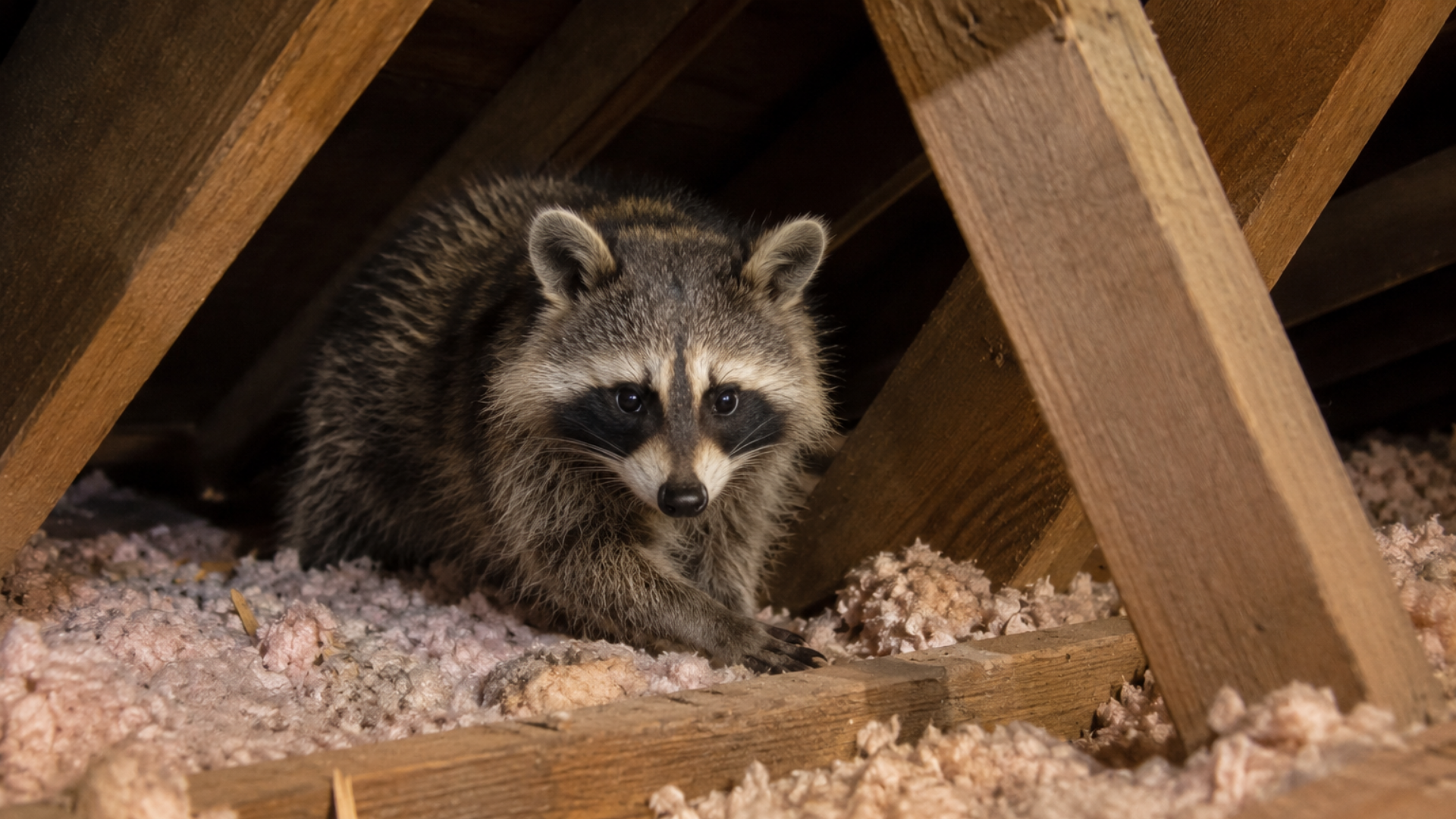
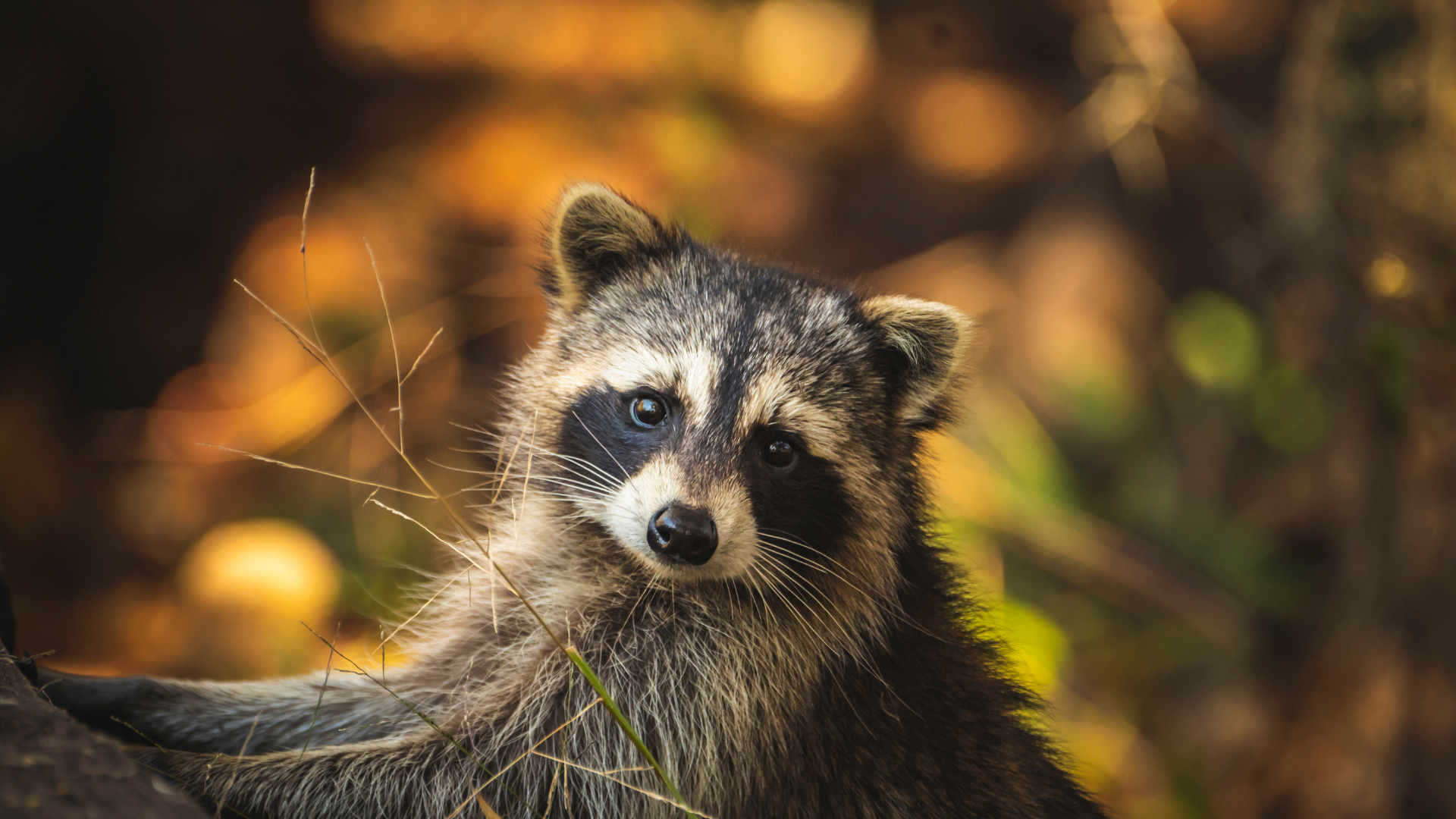
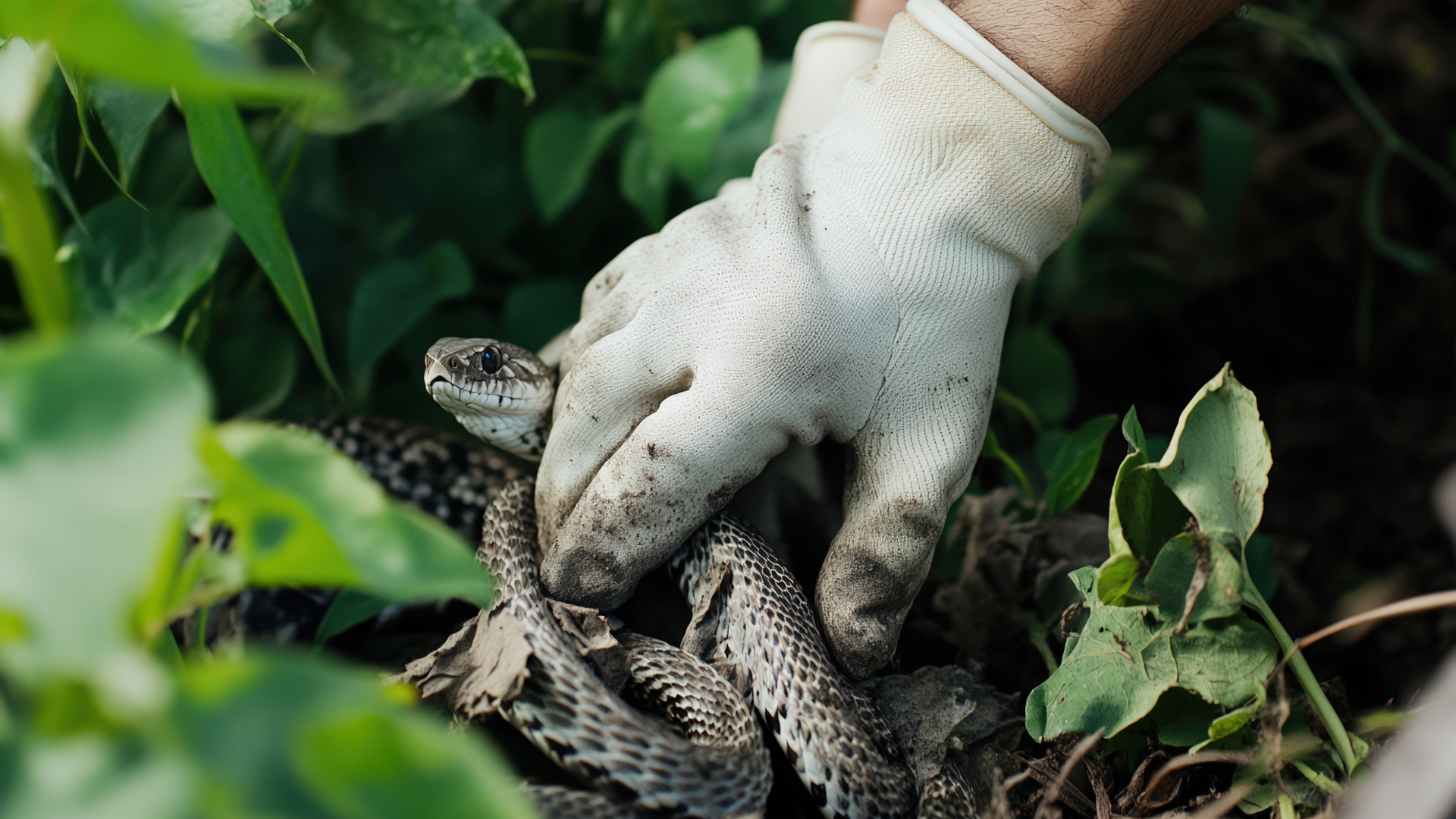
For example, squirrel pressure may rise when colder weather pushes animals toward warmer nesting sites. Raccoons may become more active around trash storage, pet food, roof returns, and weakened attic vents. Bats may use tiny construction gaps that are common in certain building styles. Snakes may appear more frequently near brush, moisture, rodents, or shaded foundation spaces. These patterns aren’t just textbook facts. They’re noticed by technicians who service the same roads, neighborhoods, farms, commercial sites, and wooded edges week after week.
Local familiarity also helps with service timing and scheduling. Some wildlife concerns are affected by breeding seasons, young animals, weather changes, or property maintenance schedules. A nearby provider is often better positioned to recognize when an inspection needs extra care, when exclusion work should be planned carefully, and when a temporary step may be useful until a full repair is completed. That kind of judgment comes from seeing how regional wildlife behaves across many properties, not just from following a generic protocol.
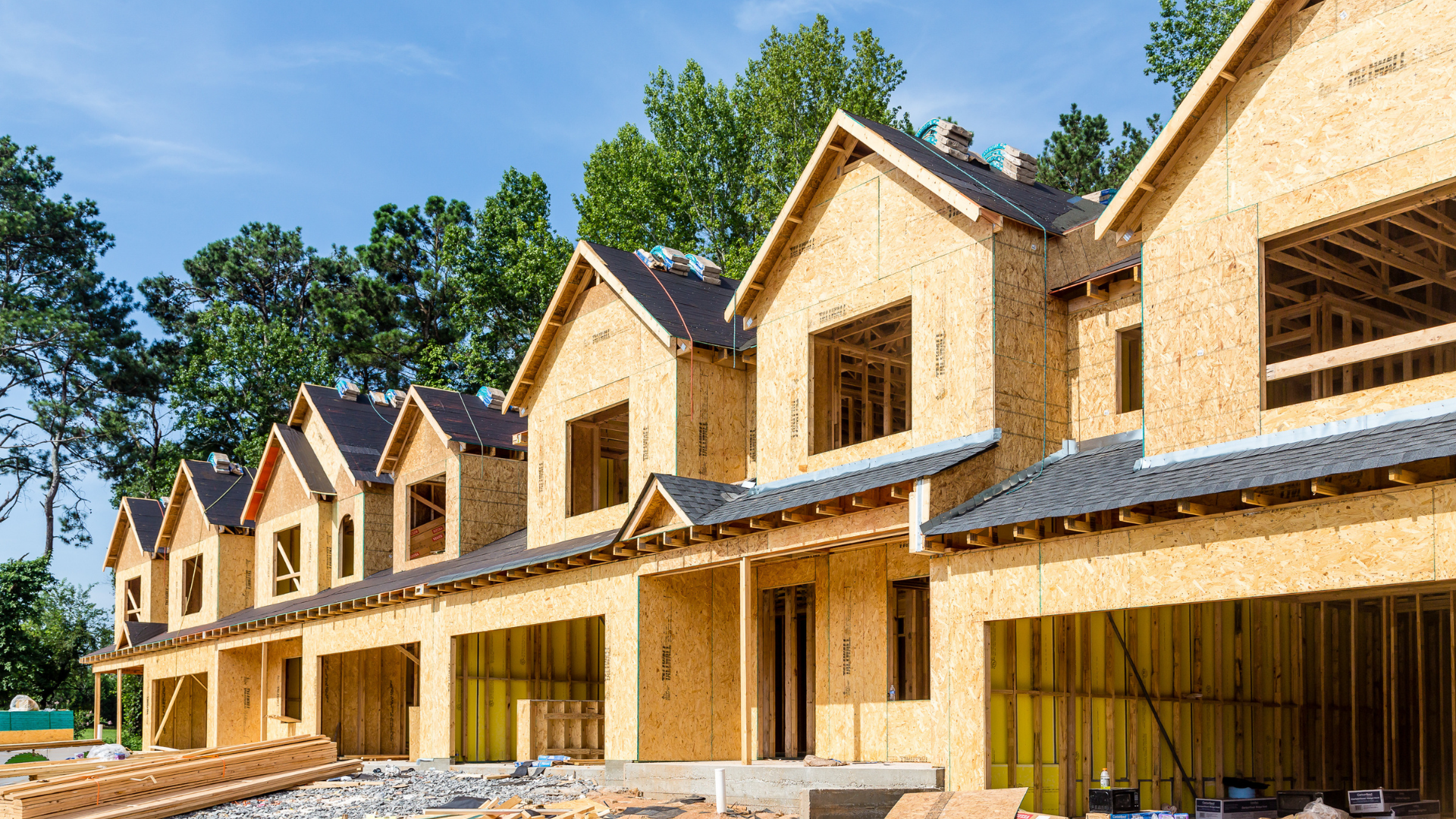
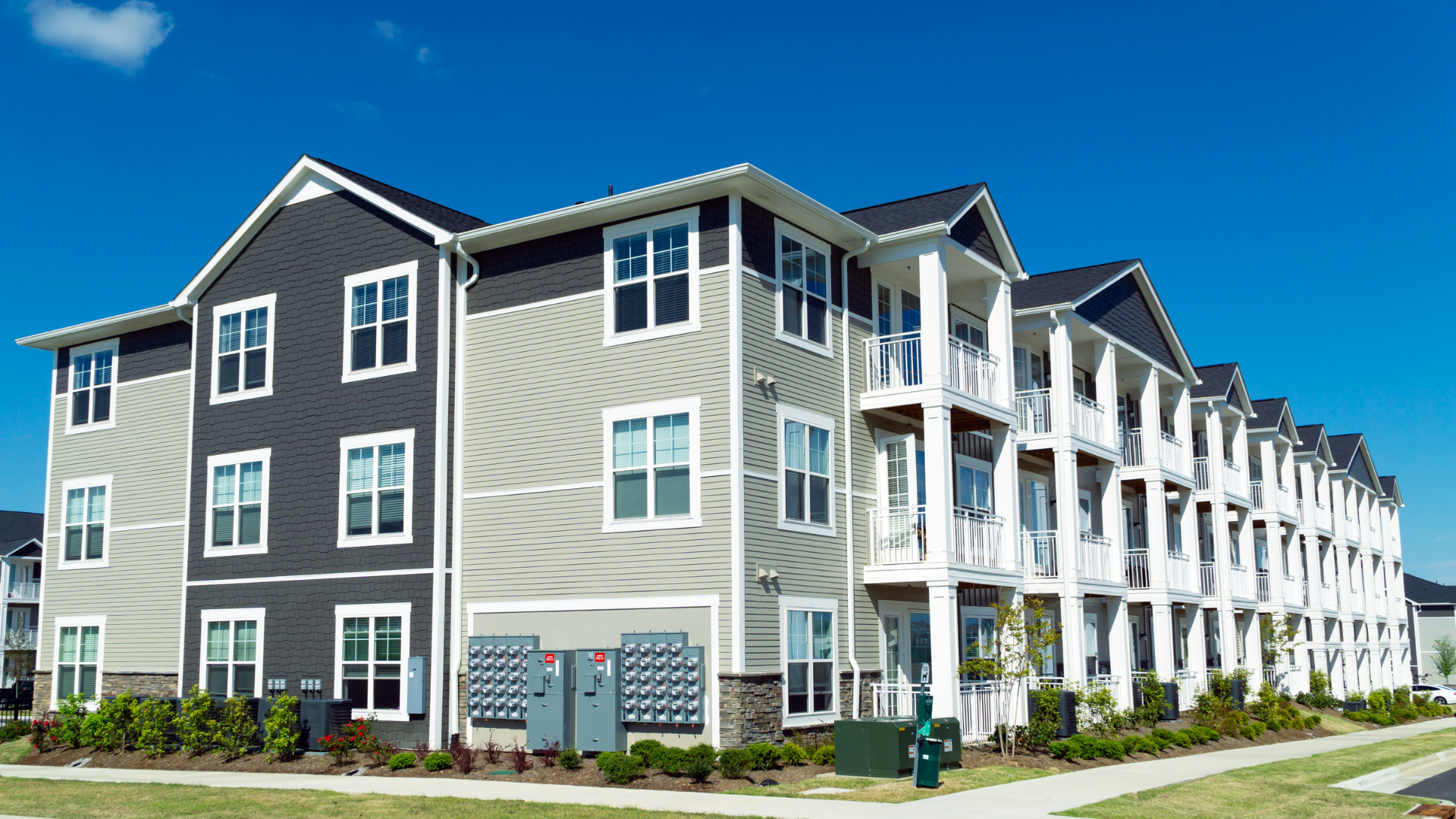
Property construction is another major factor. Animals take advantage of loose vents, warped trim, uncapped chimneys, open crawl space access, lifted shingles, gaps around utility lines, and weak points created by age or storm damage. Local technicians often become familiar with the building tendencies in their service area, including common rooflines, foundation styles, and exterior materials. That makes inspections sharper and recommendations more practical.
Consistent Technicians And Ongoing Support Matter
One advantage of choosing an independent company is the chance to work with technicians who regularly service the same area. That continuity makes a noticeable difference from the first inspection through follow-up support. Wildlife control often involves observation, access point identification, removal methods, cleanup considerations, and prevention. When each visit connects to the last one, the process becomes more efficient.
With a national brand, customers may see different staff members at each stage. That doesn’t mean the work lacks professionalism, but it may make continuity harder. A new technician might need to review notes, reinterpret previous findings, or spend extra time getting oriented. A local company with a smaller service team can often keep the same people involved, which helps them track what has changed, what still needs attention, and whether animals are responding as expected.
Continuity is especially valuable when the issue involves attic activity, crawl spaces, repeated noises, or subtle exterior entry points. A technician who has already inspected the property knows which areas looked questionable and which were ruled out. They can compare fresh evidence to earlier signs. They can also explain changes in plain language because they’ve seen the situation unfold.
Ongoing support is important because wildlife activity shifts. A repaired entry point may solve one concern, while nearby food sources, heavy vegetation, or neighboring structures create new pressure. Local companies are often better equipped to explain these changing conditions because they’re seeing similar activity in nearby places. They can tell when an issue seems isolated and when it may be part of a broader seasonal trend.
There's a lot of value in that kind of accountability. which helps explain why independent companies depend heavily on trust within their service area. Their reputation is tied to the towns and communities they serve, which encourages careful communication and solid workmanship. A local team is more likely to view each property as part of an ongoing relationship, not just a scheduled stop. That mindset leads to clearer expectations, better follow-through, and practical guidance customers may use long after the initial visit.
Choosing The Right Provider For Your Property
National brands offer broad coverage and familiar names, but independent wildlife removal companies bring strengths that are difficult to duplicate at scale. Personalized communication, regional knowledge, consistent technicians, and ongoing support make a real difference when animals are entering, damaging, or disturbing a property. The work calls for careful inspection, practical recommendations, and a team that understands how local wildlife interacts with local buildings.
For homeowners and business owners, the right choice often comes down to confidence in the people handling the problem. You want clear answers, thoughtful service, and help that fits the actual conditions on your property. If you’re dealing with unwanted wildlife or want to prevent future entry, our experts are ready to inspect, explain the options, and provide professional control and removal services tailored to your location. Contact us today at PeeDee Wildlife to schedule service and get straightforward guidance from a team that knows the area.