Animals Commonly Found Above Residential Ceilings
Wildlife Species Most Likely To Move Into Attics
Many homeowners are surprised to learn how attractive the space above their ceilings can be to wildlife. While people often think of attics as little more than storage areas, many animal species view them very differently. To intrusive critters, this part of the home often offers protection, warmth, privacy, and a location that is largely undisturbed by daily household activity. For wildlife searching for a place to rest, nest, or raise young, these conditions can be extremely appealing.
In many ways, an attic resembles the natural environments animals seek in the wild. Hollow trees, rocky crevices, abandoned burrows, and sheltered cavities all provide similar benefits. Once an animal discovers a way inside a structure, the space above the ceiling can become an ideal refuge.
Several species are frequently discovered in residential attics. Raccoons, squirrels, bats, birds, mice, and rats are among the most common occupants. Each enters for different reasons, but they are often drawn by the same combination of shelter and security.
One of the biggest attractions is protection from the elements. Critters often enter structures seeking shelter from from rain, snow, wind, and intense temperature swings. Conditions tend to remain relatively stable compared to the outdoors, making these spaces particularly appealing during periods of harsh weather.
Privacy is another major factor. Human activity is generally concentrated in living areas, usually leaving this part of the home comparatively quiet. Predators also have fewer opportunities to reach animals hidden inside a building. For species looking for a secluded location, this combination of isolation and protection can be difficult to resist.
Attics also contain materials that support nesting activity. Insulation, paper products, cardboard, and other soft materials can be gathered and rearranged into comfortable nesting sites. For animals raising young, these resources make the location even more desirable.
The Most Common Species Found Above Ceilings
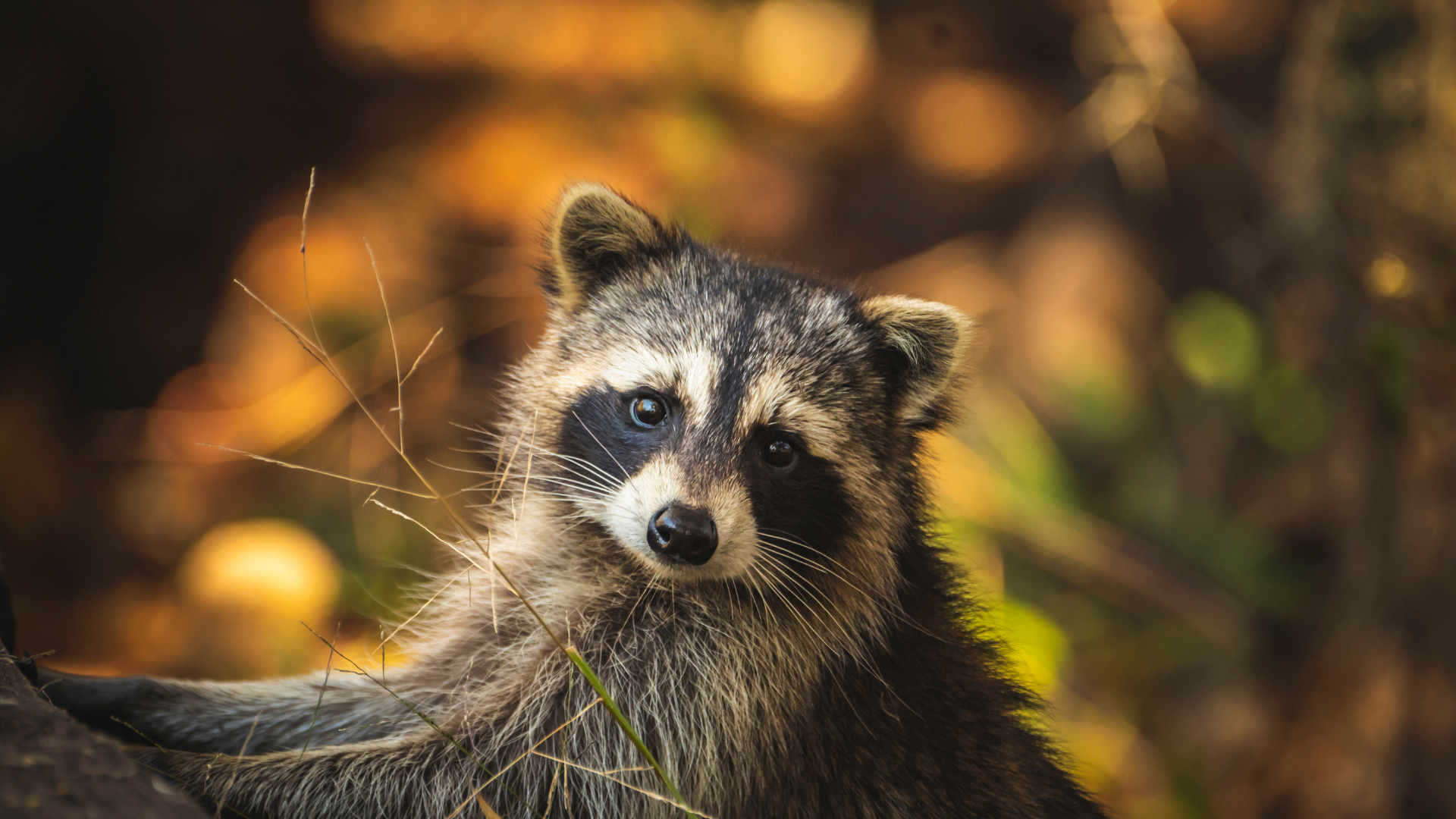
Raccoons rank among the most frequently encountered intruders. These intelligent mammals are skilled climbers and can exploit weak points around roofs, vents, and soffits. Female raccoons often seek sheltered locations during breeding season, and attics closely resemble the protected den sites they naturally prefer.
Homeowners commonly notice raccoon activity through heavy footsteps or loud thumping sounds overhead. Unlike smaller creatures, raccoons can produce noises substantial enough to resemble a person walking. Exterior damage near roof edges, vents, or soffit panels may also indicate their presence.
Squirrels are another common unexpected squatter. Their ability to climb trees, siding, and utility lines gives them access to elevated portions of structures with relative ease. Nearby branches often serve as convenient pathways to rooftops, allowing squirrels to investigate potential entry points.
Once inside, squirrels frequently establish nests in insulated areas. Homeowners may hear scratching or scurrying sounds, particularly during daylight hours when squirrels are most active. Chewed wood, damaged insulation, and gnaw marks around openings are additional signs that these animals may be present.
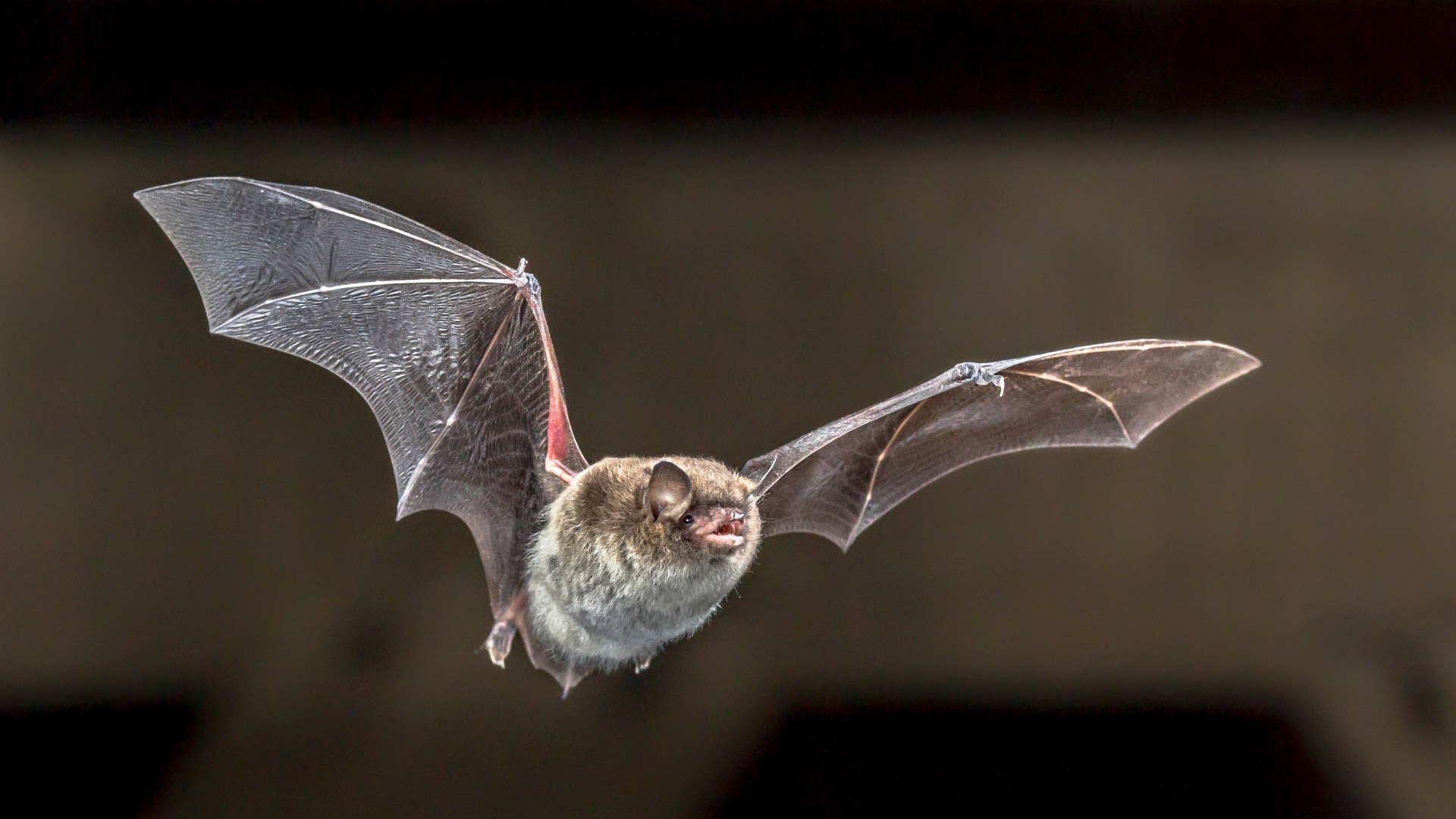
Bats represent a different type of uninvited guest. Rather than creating obvious nests, bats typically gather in roosting colonies. Warm temperatures and dark, secluded conditions make attics attractive locations for these groups. During warmer months, attic spaces can provide ideal conditions for maternity colonies where females raise their young.
Many people first suspect bat activity when they notice bats flying near rooflines around dusk. Accumulated droppings beneath roosting areas may also become visible. In some situations, faint high-pitched vocalizations can be heard from within walls or attic spaces.
Birds frequently find their way into residential structures as well. Species such as starlings, sparrows, and pigeons often exploit openings near vents, roof intersections, and damaged building materials. Attics provide excellent nesting opportunities while offering protection from predators and challenging weather conditions.
Unlike some mammals, birds often announce their presence through chirping and vocal activity. Nesting materials, feathers, and droppings may accumulate in occupied areas. During nesting season, activity can increase significantly as adult birds repeatedly enter and exit the structure.
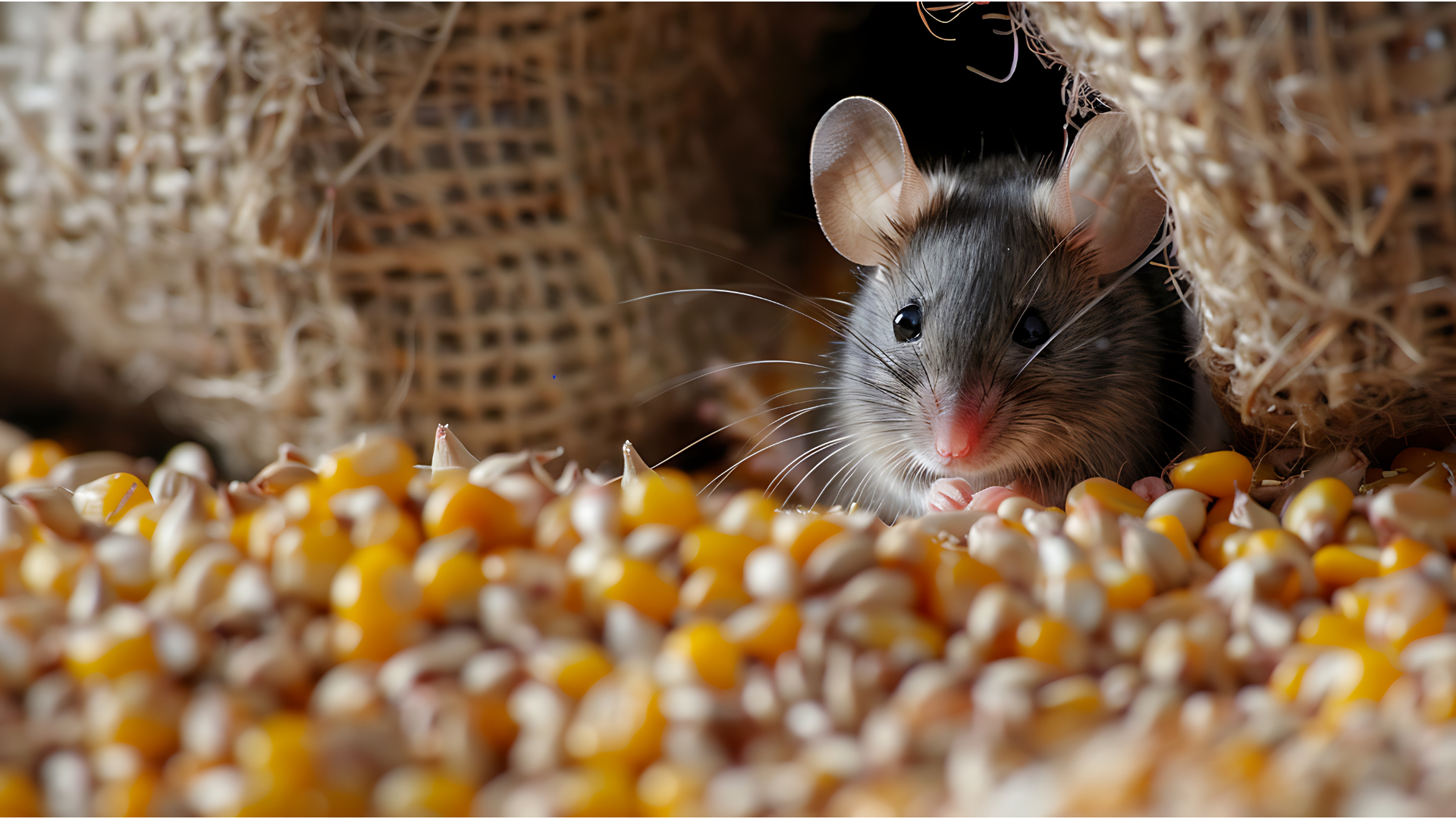
Rodents also account for a substantial percentage of attic infestations. Mice require remarkably small openings to gain access to a home. Once inside, their populations can expand rapidly under favorable conditions. Rats are equally problematic and possess impressive climbing abilities that enable them to reach elevated portions of buildings with surprising ease.
How Wildlife Gets Inside And What Homeowners Often Notice
Wildlife rarely enters an attic by accident. Most animals take advantage of existing vulnerabilities within a structure. Roof damage is one of the most common access points. Missing shingles, deteriorated materials, gaps around vents, and weak areas near roof intersections can create opportunities for entry.
Structural gaps also contribute to attic invasions. Soffits, fascia boards, and utility entry points can develop openings as materials age or sustain weather-related wear. Even relatively small gaps may be sufficient for certain species to gain access.
Trees frequently play a role as well. Branches extending close to a roof can act as natural bridges, allowing animals to reach areas that would otherwise be difficult to access. Once on the roof, wildlife may spend time investigating weak spots before entering the structure.
Activity levels often change with the seasons. Spring and early summer commonly bring increased wildlife movement as animals search for nesting sites and begin raising young. During fall, many species intensify their search for sheltered locations before colder weather arrives. Winter can also bring continued attic occupancy because outdoor shelter options become more limited.
The sounds coming from above a ceiling often provide the first indication that wildlife is present. Scratching, running, thumping, and chirping noises may occur at different times depending on the species involved. The timing of these sounds can sometimes provide clues about the type of animal occupying the space.
Visible exterior damage is another warning sign. Torn vent covers, damaged roofing materials, and enlarged openings around the structure may indicate that wildlife has established access routes. Indoor clues can include unusual odors, ceiling discoloration, and nesting materials appearing in unexpected locations.
The Impact Of Wildlife Activity In Residential Attics
Wildlife living above a ceiling can create a variety of problems for a home. Insulation is often among the first materials affected. Animals may compress, displace, or contaminate insulation while constructing nests and moving through the area. This can reduce its effectiveness and create additional cleanup challenges.
Structural damage is another concern. Rodents frequently chew materials as part of their natural behavior. Larger creatures may tear or dislodge building components while creating access points or expanding existing openings. What begins as a small vulnerability can become a significantly larger issue after repeated activity.
Sanitation concerns also develop when wildlife remains inside a structure for extended periods. Accumulated droppings, urine, nesting debris, and other contaminants can affect attic conditions and contribute to unpleasant odors throughout the home.
Certain properties experience more attic wildlife activity than others. Nearby food sources often play a major role. Garbage containers, pet food, bird feeders, and fruit-bearing trees can attract animals and encourage them to remain in the area. Homes located near wooded environments, water sources, or established wildlife populations may also experience increased activity.
The condition of the structure itself is equally important. Older construction materials, existing openings, and deferred maintenance can provide easier opportunities for wildlife to enter and remain inside a building.
Attics offer warmth, protection, privacy, and nesting opportunities that appeal to a wide variety of species. Raccoons, squirrels, bats, birds, mice, and rats are among the animals most commonly found living above residential ceilings. If you suspect wildlife has moved into your attic, don’t hesitate to
contact us today at PeeDee Wildlife Control to have your property professionally assessed and addressed before the situation worsens.